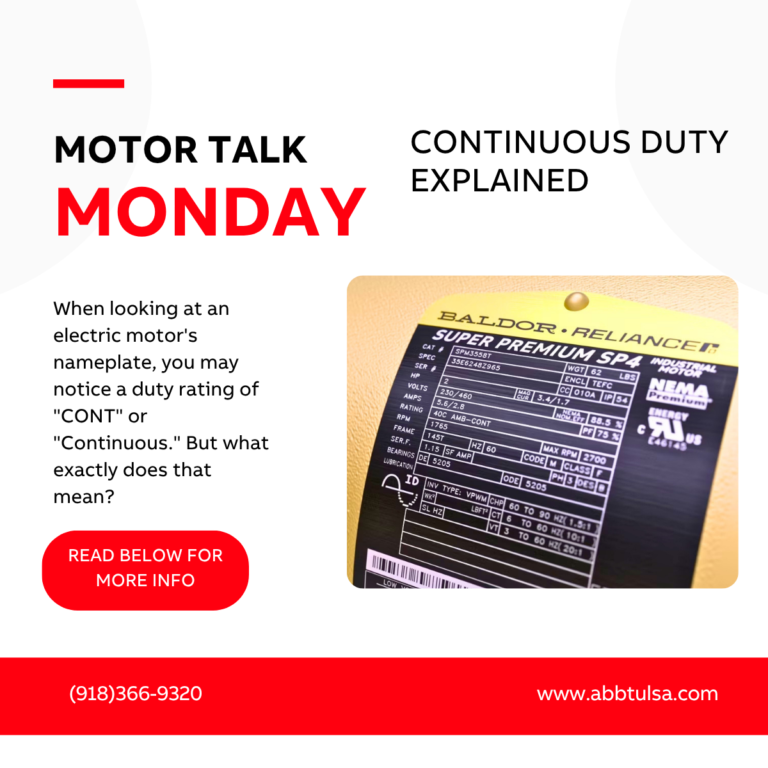
Motor Talk Monday: What Does Continuous Duty Mean? When looking at an electric motor's nameplate, you may notice a duty rating labeled "CONT" or "Continuous." While the term may seem…
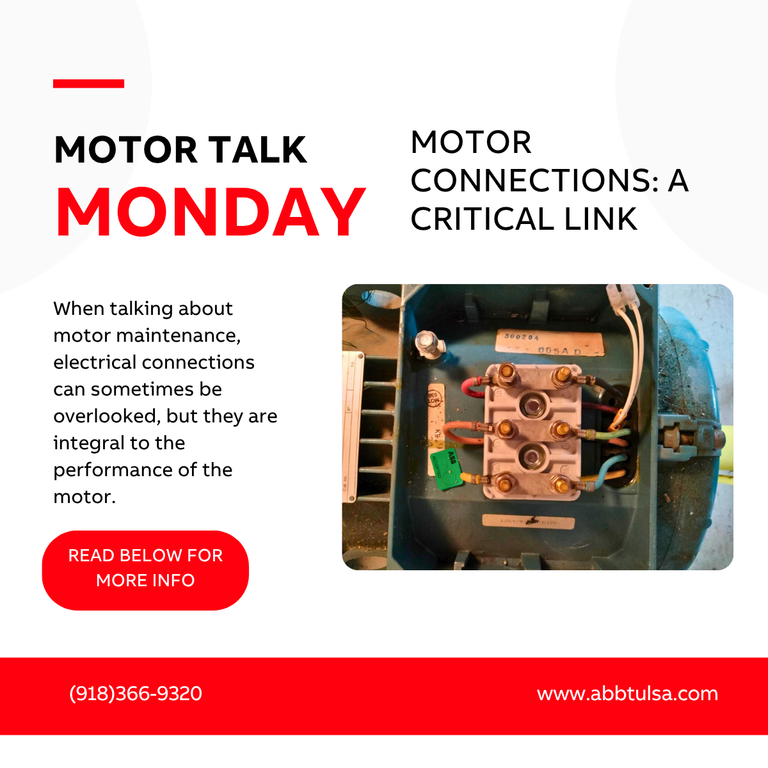
Motor Talk Monday - Motor Connections: A Critical Link When it comes to electric motor maintenance, bearings, lubrication, and cooling systems often receive the most attention. However, one critical component…
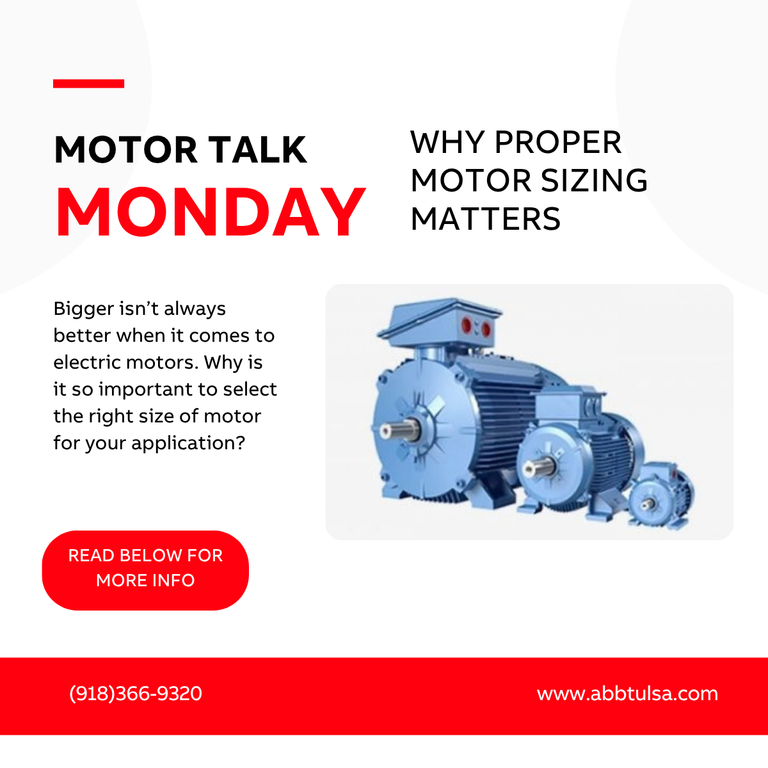
#MotorTalkMonday - why proper motor sizing matters Bigger isn’t always better when it comes to electric motors. It’s common to think that oversizing a motor is the safest choice. In…
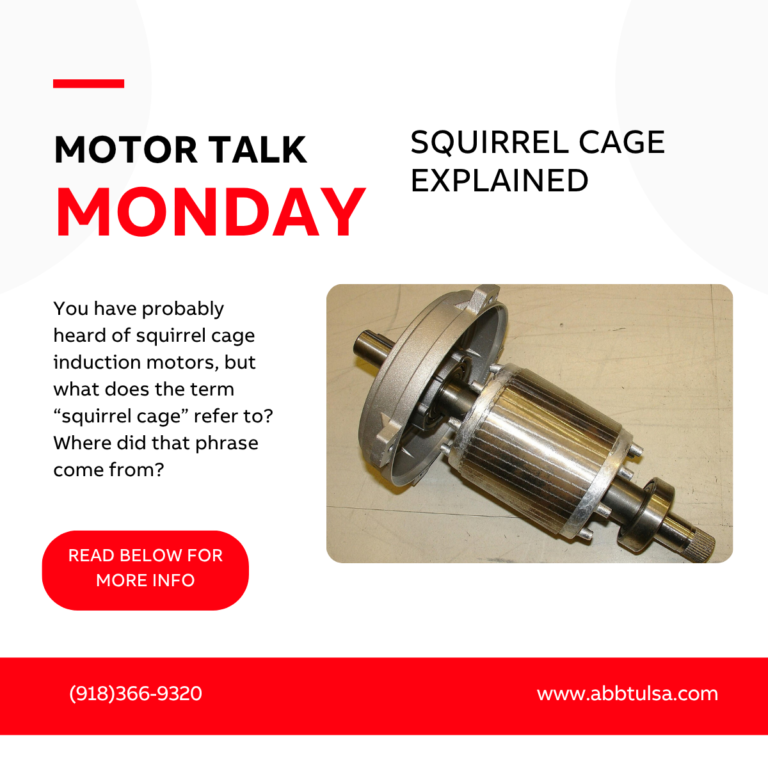
Motor Talk Monday – Squirrel Cage Explained You've probably heard of squirrel cage induction motors, but do you know what the term "squirrel cage" actually refers to? Despite the unusual…
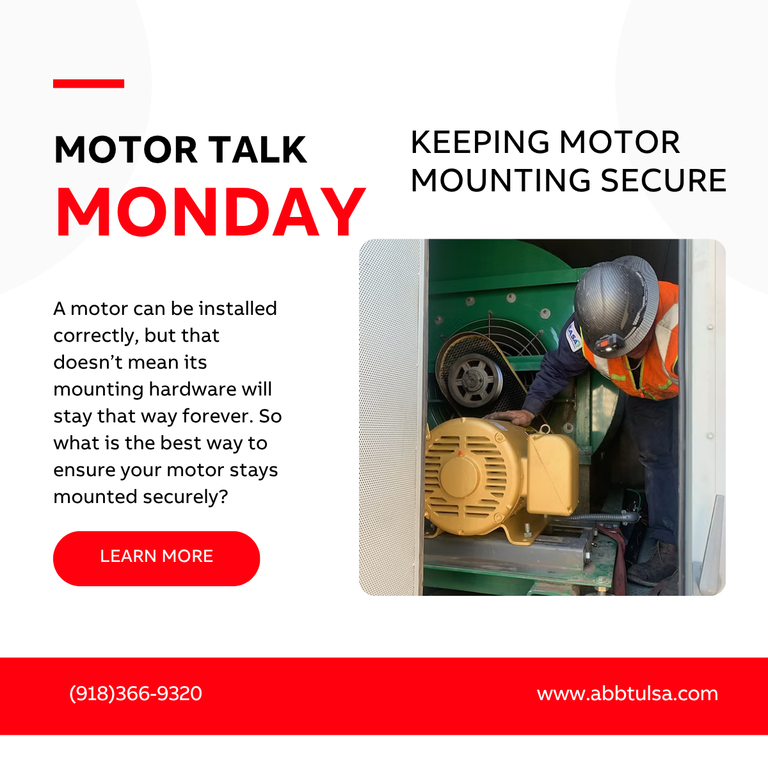
#MotorTalkMonday: Keeping Motor Mounting Secure Proper motor mounting doesn’t end once installation is complete. A motor that was securely mounted when it entered service should still have its mounting hardware…
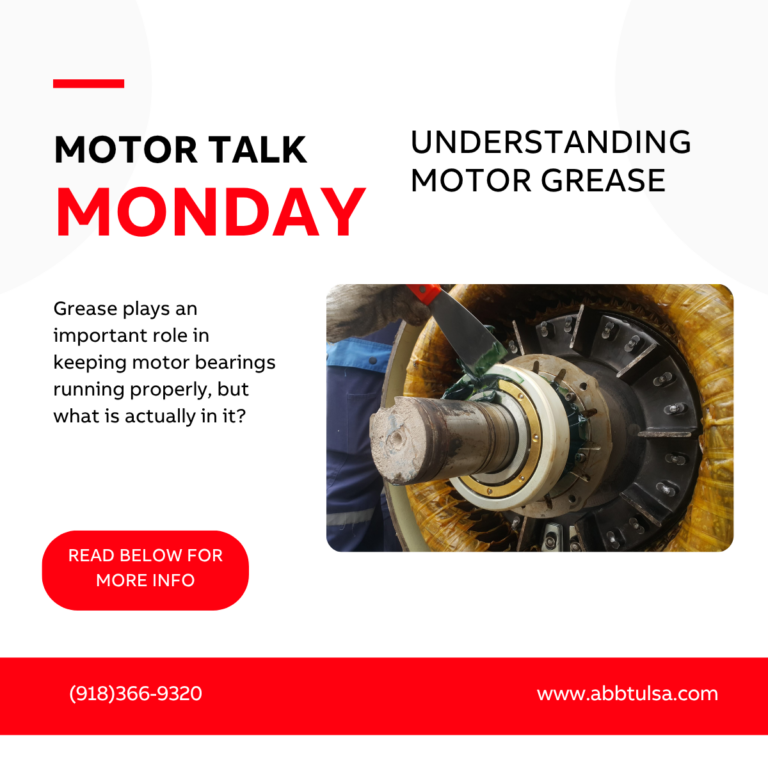
Motor Talk Monday: Understanding Motor Grease Grease plays an important role in keeping electric motor bearings running properly. But what is actually in motor grease, and how does it provide…
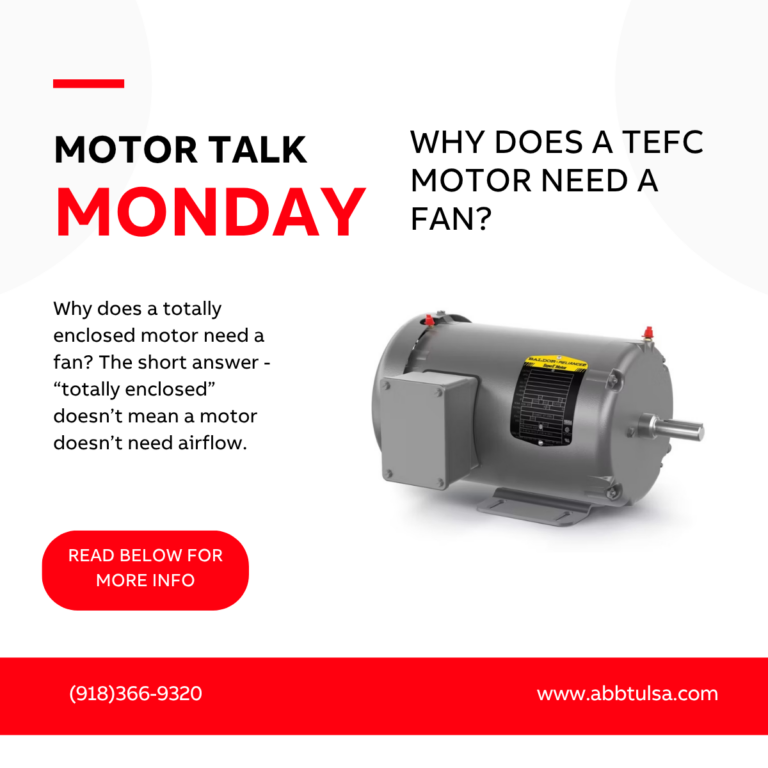
#MotorTalkMonday - why does a TEFC motor need a fan? If a motor is totally enclosed, why does it still need a fan? It sounds a little contradictory, but the…
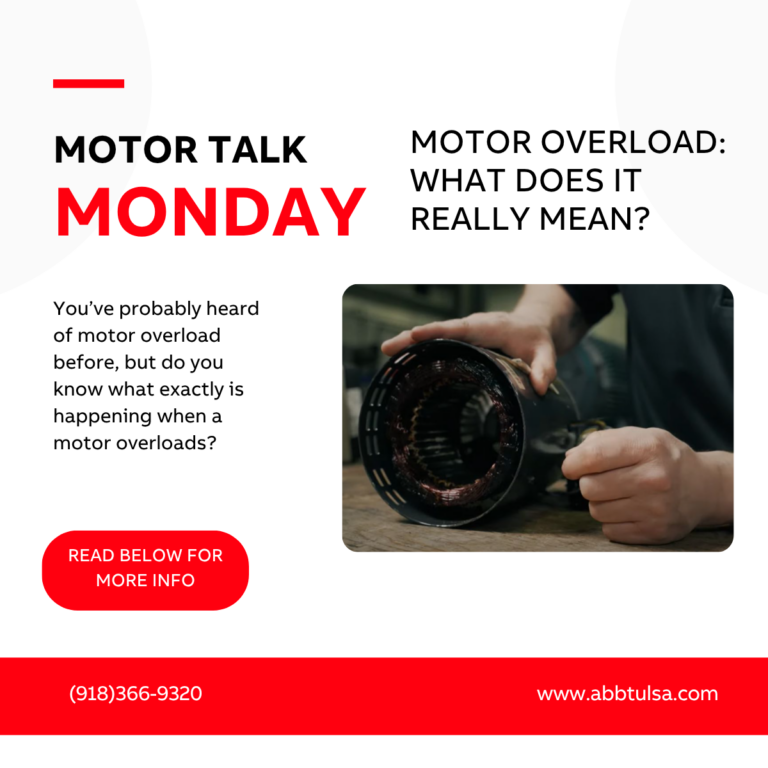
#MotorTalkMonday - Motor Overload: What Does It Really Mean? When you hear that an electric motor is overloaded, you might picture too much physical weight being placed on the motor…
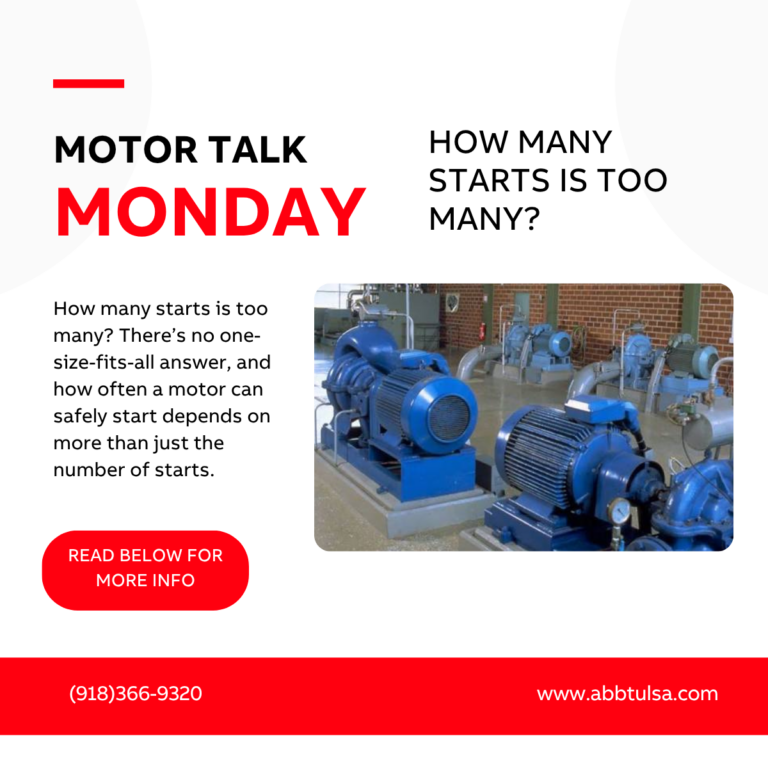
#MotorTalkMonday - How Many Starts Is Too Many? How many times can you safely start an electric motor in an hour? The answer isn't as simple as giving one number.…
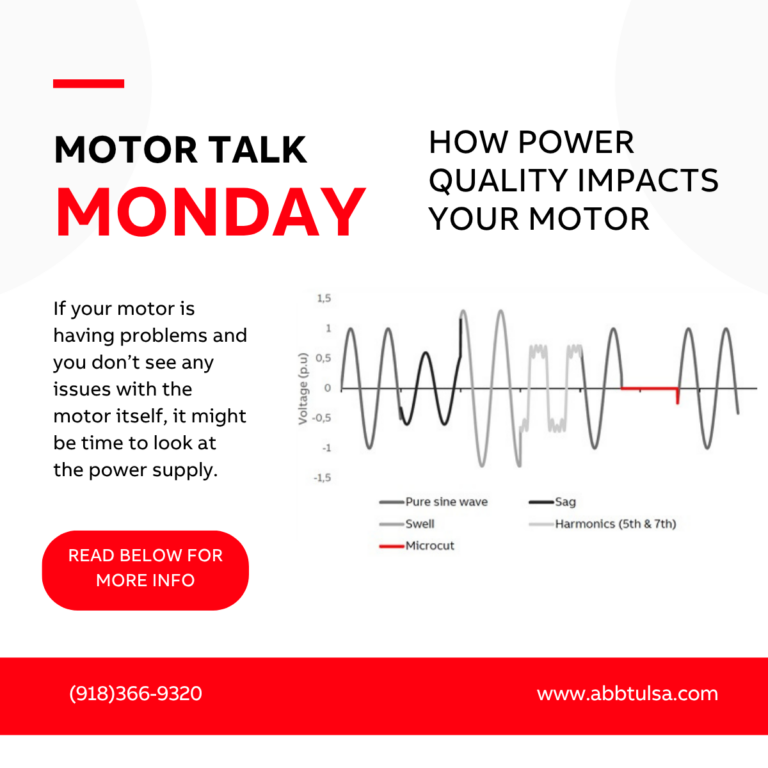
#MotorTalkMonday – How Power Quality Impacts Your Motor When an electric motor experiences recurring problems, the motor itself is often the first place maintenance teams look. Bearings, lubrication, alignment, loading,…