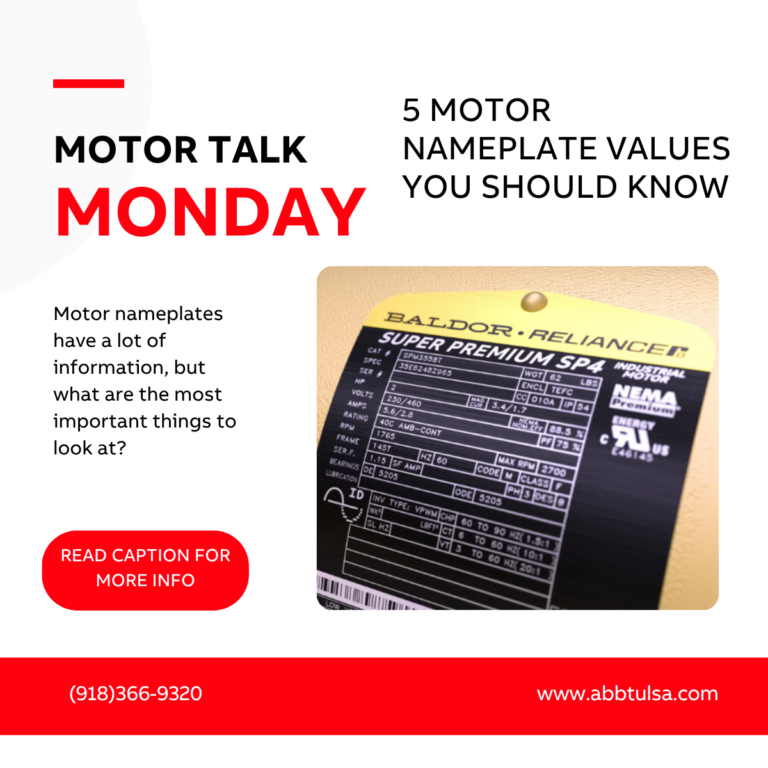

#MotorTalkMonday - 5 Motor Nameplate Values You Should Know When troubleshooting a motor issue or selecting a replacement, one of the most valuable tools is often right in front of…
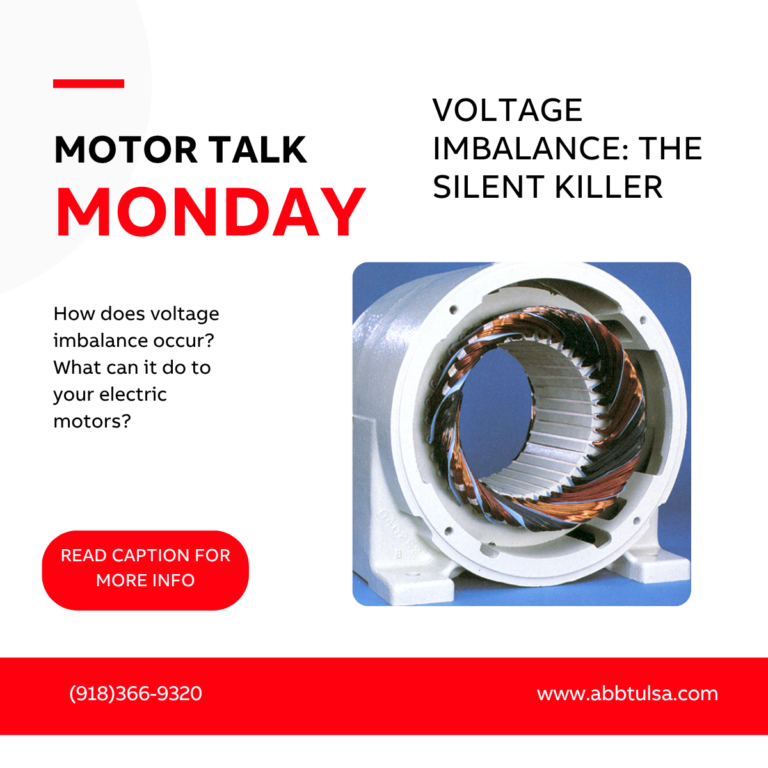
#MotorTalkMonday - Voltage Imbalance: The Silent Motor Killer Many motor failures occur because of mechanical issues such as bearing wear, contamination, or misalignment. However, electrical problems can be just as…
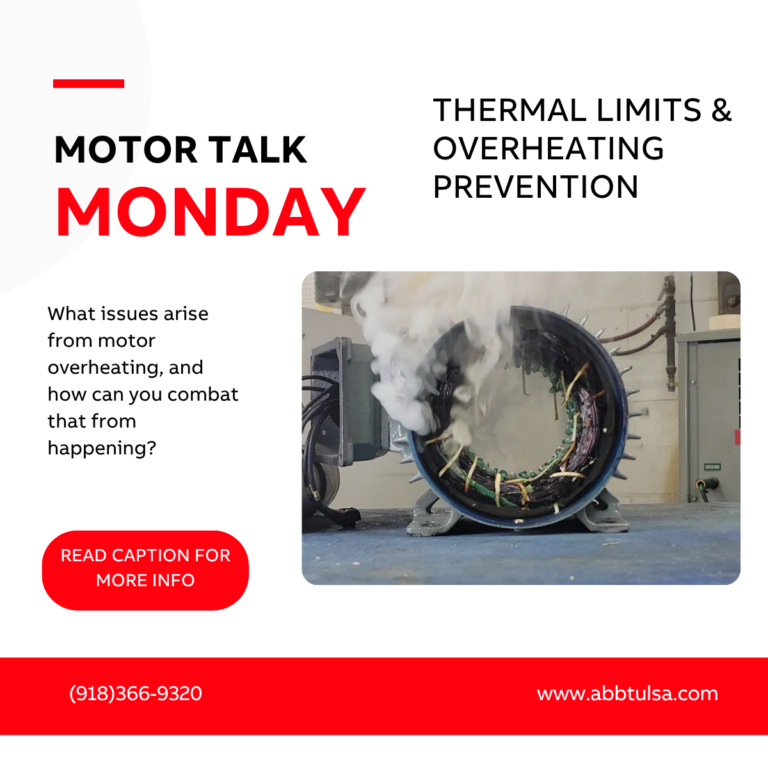
#MotorTalkMonday - Motor Thermal Limits & Overheating Prevention Electric motors convert electrical energy into mechanical energy, but they also generate heat during operation. While some heat is expected, excessive temperatures…
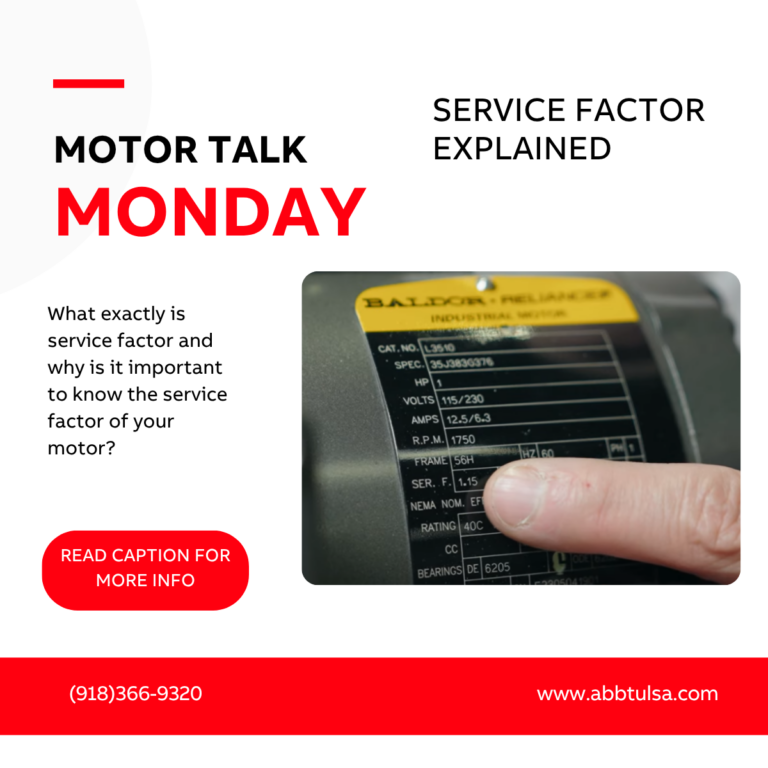
#MotorTalkMonday - Service Factor Explained When reviewing motor nameplates and specifications, you've probably seen the term service factor listed alongside horsepower, voltage, and full load amps. While it may seem…
#MotorTalkMonday - when are roller bearings needed on the drive end? Not every motor application requires a roller bearing on the drive end. However, in the right application, the correct…
#MotorTalkMonday - why small motors offer big efficiency gains When facilities discuss motor efficiency upgrades, the conversation usually centers around large horsepower motors. While those motors certainly matter, many plants…
#MotorTalkMonday - NEMA vs. IEC: know the difference Electric motors operate under strict standards, but not all standards are the same. If you manage facilities across different regions or work…
#MotorTalkMonday - how to beat bearing currents When a motor is connected to a VFD, high-frequency switching can induce shaft voltage. If that voltage discharges through the bearings, it can…
#MotorTalkMonday - choosing the right enclosure type Choosing the right motor enclosure is critical for performance and reliability. Each type is designed for specific environments, and using the wrong one…
Why Are 3-Phase Motors More Efficient Than Single-Phase Motors? When selecting an electric motor, efficiency plays a major role. One of the most common questions we hear is why 3-phase…