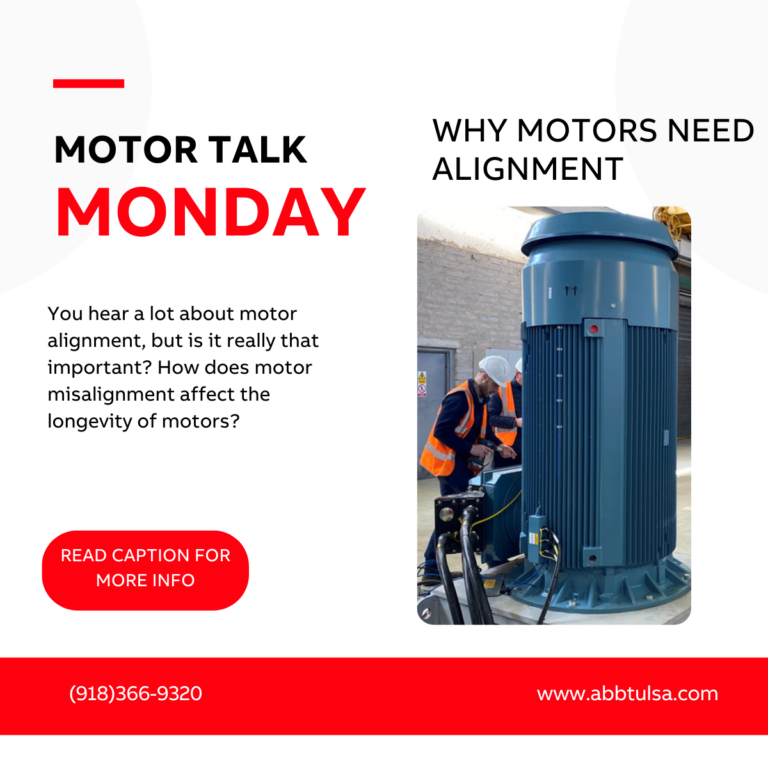
Misalignment is a silent killer of electric motors and driven equipment. When a motor is installed or maintained, one of the most critical — yet often overlooked — steps is…
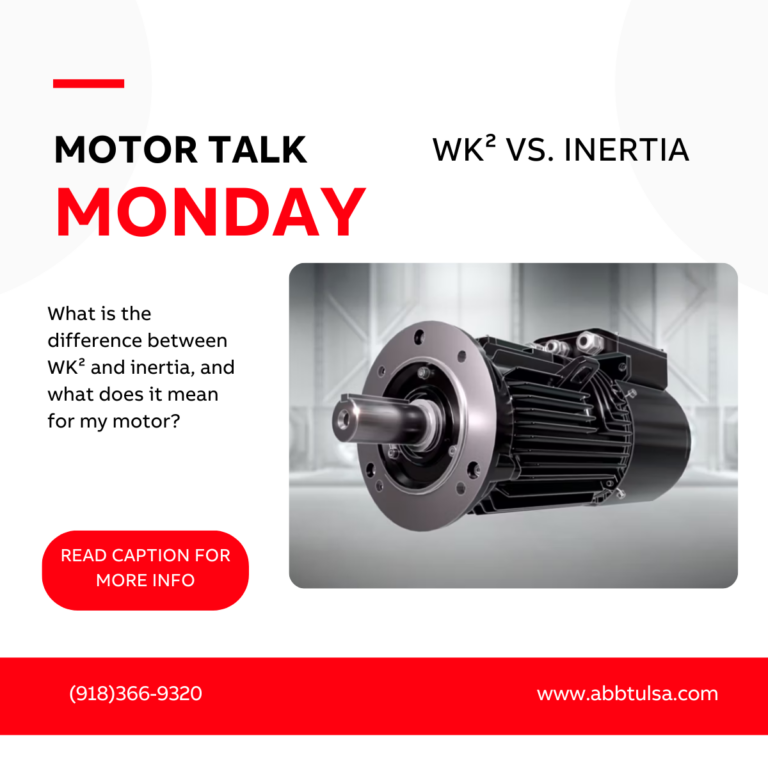
#MotorTalkMonday - WK² vs. inertia When sizing or troubleshooting a motor, you will often see the term WK². While it relates to inertia, it is not exactly the same thing.…
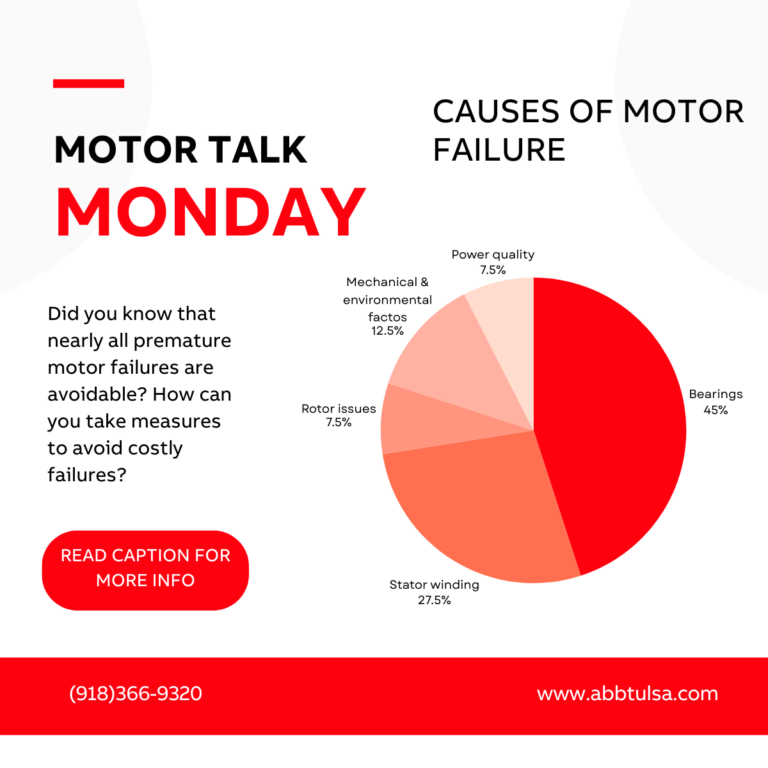
#MotorTalkMonday - causes of motor failure Motor failures often feel sudden. Production stops, the line goes down, and everyone wants answers. In reality, most premature failures are preventable. However, with…
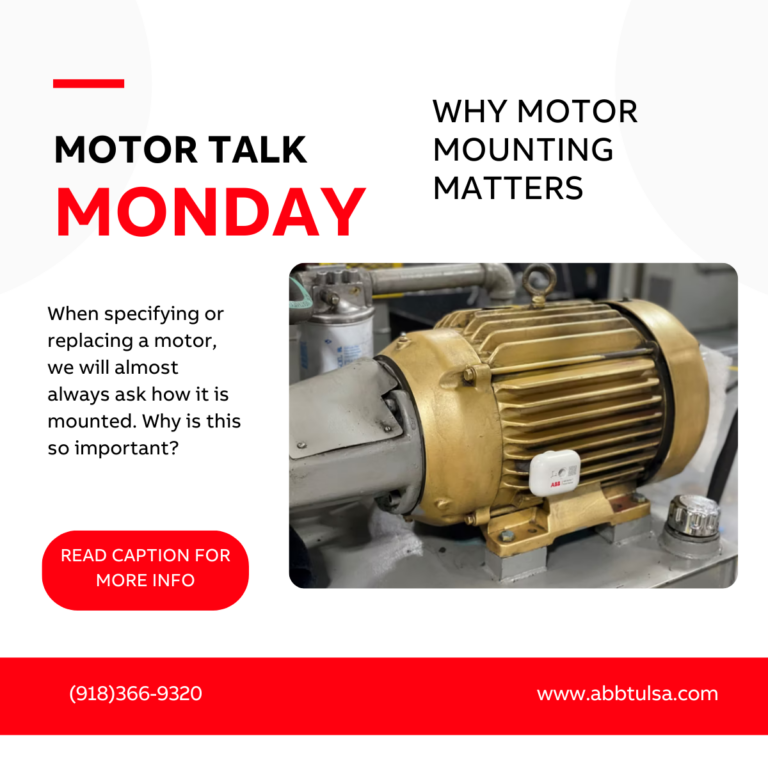
#MotorTalkMonday - why motor mounting matters When specifying or replacing an electric motor, mounting is often treated as a secondary detail, but in reality, how a motor is mounted plays…
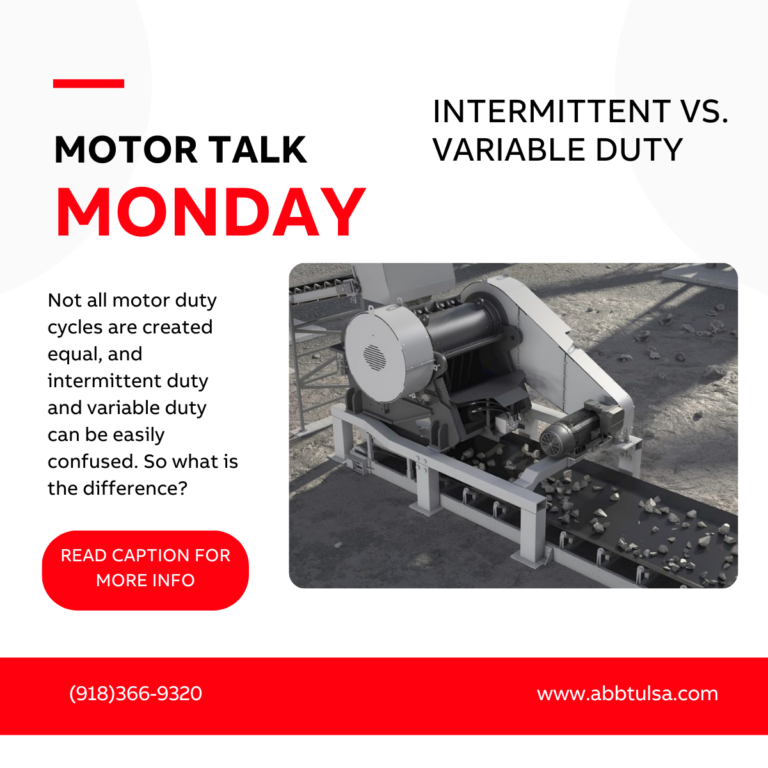
#MotorTalkMonday - intermittent vs. variable duty Electric motor duty cycles play a critical role in thermal performance, reliability, and service life—especially in inverter-driven applications. Intermittent duty motors (S2 or S3)…
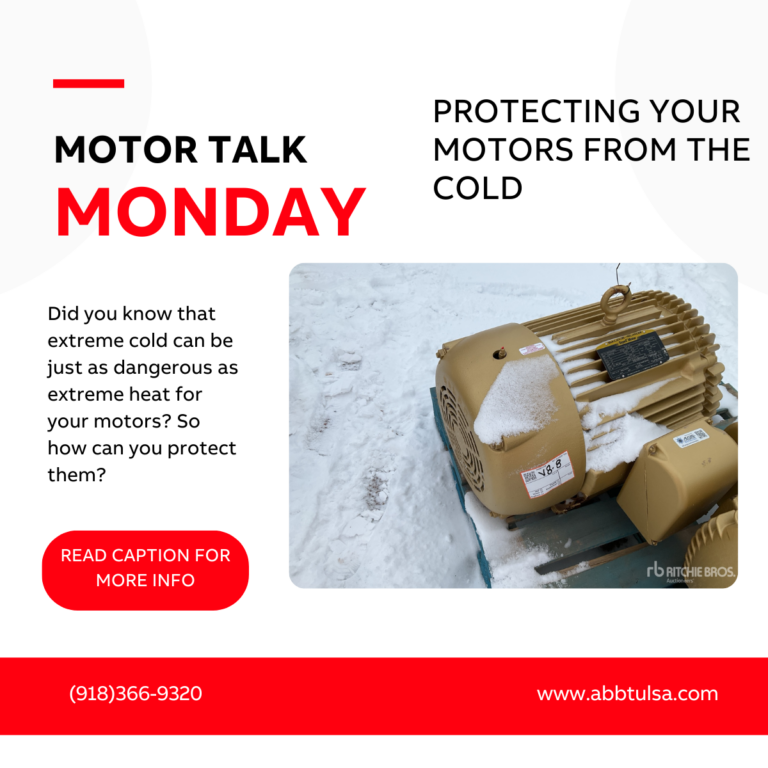
#MotorTalkMonday - protecting your motors from the cold While heat is often top of mind, extreme cold can also pose serious risks to electric motor performance and reliability. Low temperatures…
#MotorTalkMonday - a guide to motor efficiency classes If you’ve ever looked at motor specs and wondered what IE1, IE2, IE3, IE4, or IE5 actually mean, you’re not alone. These…
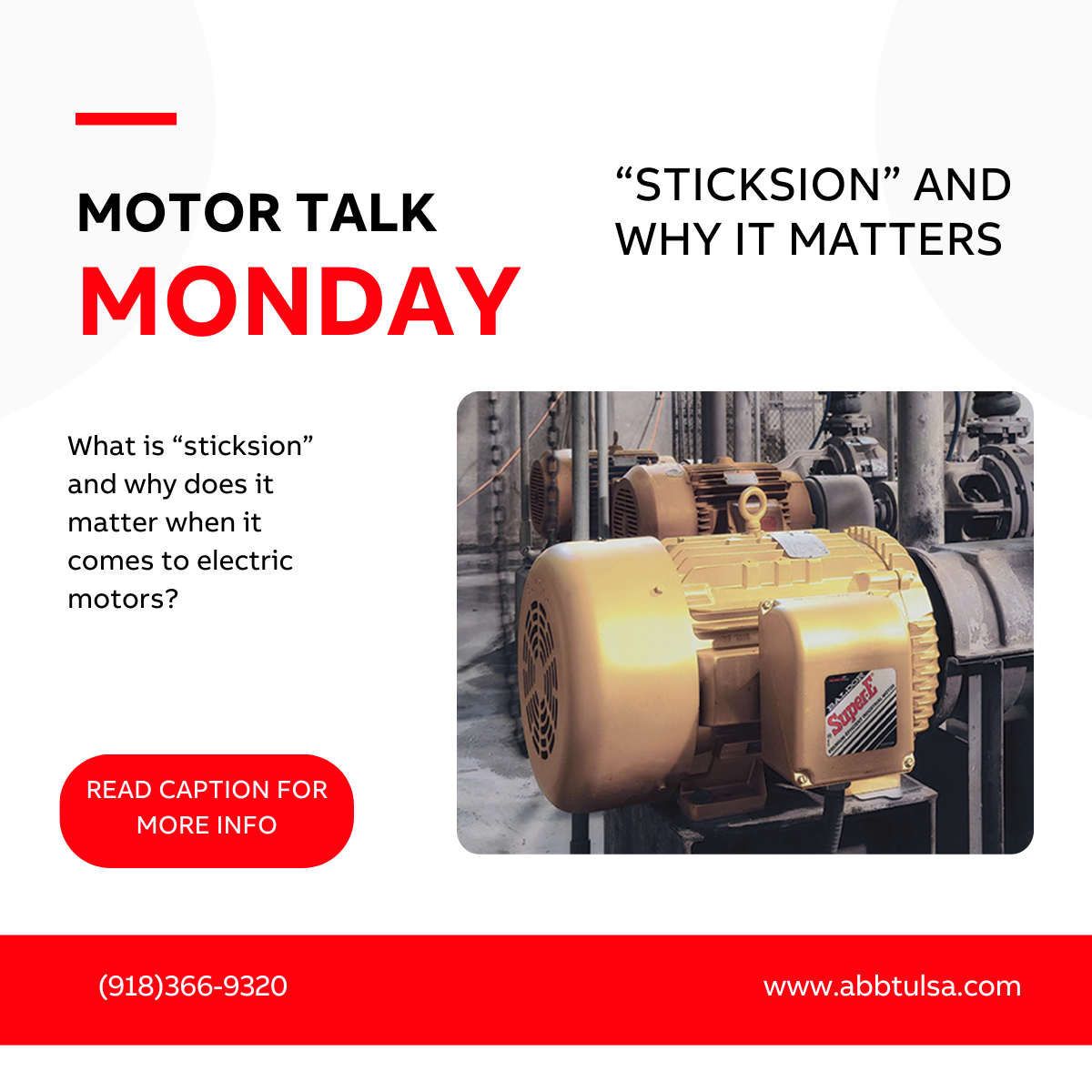
#MotorTalkMonday - "sticksion" and why it matters Have you ever heard the term “sticksion”? It’s a concept introduced in the Cowern Papers (linked below) to describe the torque required to…
#MotorTalkMonday TEFC explained You've probably seen TEFC when it comes to motors, but what does this mean? TEFC is a type of enclosure which stands for Totally Enclosed Fan Cooled.…
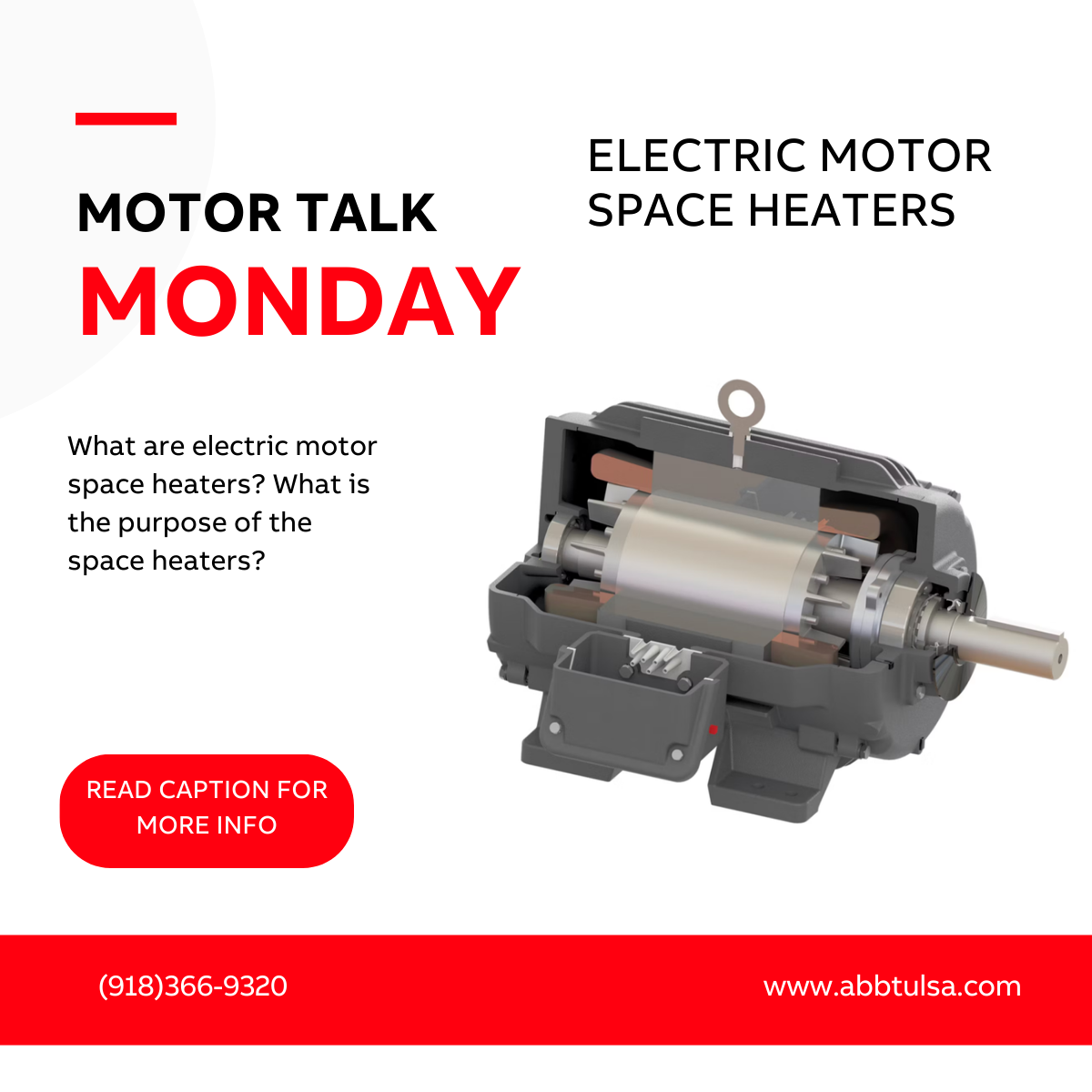
#MotorTalkMonday - electric motor space heaters Ever wondered why some electric motors come equipped with space heaters? These space heaters are not the same kind you might have under your…